
Why Material Choice Defines Exhaust System Fabrication
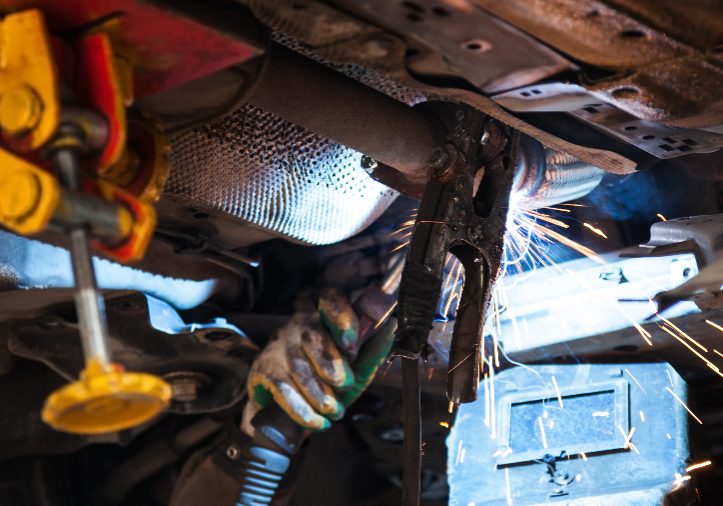
People often focus on how an exhaust sounds. What they don’t think about is what happens to it after months of heat and road wear. Every drive puts stress on your exhaust. Over time, the material choice becomes more important than the shape or sound.
This is why exhaust system fabrication is not just about fitting pipes together. You need to choose materials that can survive real conditions, not just look good on day one.
When the wrong material is used, even a well-designed system can fail early and lead to repeated exhaust repair. If you’ve ever wondered why some exhausts last years while others start rattling or rusting within months, the answer usually sits in the metal itself.
Why Material Choice Matters in Exhaust System Fabrication
Exhaust systems live in one of the harshest environments on a vehicle. They deal with extreme heat, constant vibration, and exposure to water and dirt. Material choice decides how well the system handles all of that.
Good exhaust system fabrication starts with understanding how the car is used. Daily city driving, highway runs, performance driving, or towing all place different demands on the exhaust. A material that works fine for short trips may not hold up under sustained heat.
That’s why a reliable exhaust shop will always talk about materials before talking about sound or style.
Mild Steel: Affordable but Short-Term
Mild steel is often used because it’s cost-effective and easy to work with. In controlled conditions, it performs well. However, it is more vulnerable to rust, especially in areas with moisture or temperature changes.
For short-term builds or budget-focused exhaust repair, mild steel can be suitable. But for long-term use, especially on daily drivers, it usually shows wear faster than other options.
In exhaust system fabrication, mild steel works best when expectations are realistic and maintenance is considered.
Stainless Steel: Built for Longevity
Stainless steel is a popular choice for good reason. It resists corrosion far better than mild steel and handles heat cycles more consistently.
For drivers who want fewer repairs and longer service life, stainless steel is often the smarter option. It costs more upfront, but it saves money over time by reducing the need for frequent exhaust repair. Most high-quality exhaust system fabrication jobs rely on stainless steel when durability is the priority.
Aluminised Steel: The Middle Ground
Aluminised steel sits between mild steel and stainless steel. It offers better rust resistance than mild steel while keeping costs lower than stainless.
For many everyday vehicles, this material strikes a good balance. It performs well under normal conditions and extends the lifespan of the exhaust without pushing the budget too far. A skilled exhaust shop will often recommend aluminised steel for practical, daily-use vehicles.
Why Poor Material Choice Leads to Repeat Exhaust Repair
When the wrong material is used, problems don’t show up immediately. They build slowly. Small cracks form at weld points. Rust develops from the inside out. Heat weakens thin sections.
Drivers then return for exhaust repair, thinking something was installed incorrectly. In many cases, the fabrication was fine. The material just wasn’t suited for the conditions. Good exhaust system fabrication reduces these repeat visits by matching material to usage from the start.
Welding and Material Compatibility Matter Too
Material choice doesn’t work in isolation. Welding techniques must suit the metal being used. Poor welding can weaken even high-quality stainless steel.
An experienced exhaust shop understands how different materials behave under heat and vibration. That knowledge directly affects how long the system lasts. This is where professional fabrication makes a real difference compared to off-the-shelf solutions.
Choosing the Right Exhaust Shop Makes the Difference
Not every exhaust shop fabricates systems the same way. Some focus on speed. Others focus on sound alone. The better ones focus on materials, fitment, and longevity. A shop that takes time to explain material options is usually the one trying to prevent future exhaust repair, not create repeat business.
Final Thoughts
Exhaust systems don’t fail because of one hard drive or one hot day. They fail because the material slowly gives up. When you invest in proper exhaust system fabrication, you’re really investing in fewer problems down the road. The right material choice means better performance, less noise issues, and fewer unexpected repairs.
If you’re considering a new system or ongoing exhaust repair, Adelaide Exhaust Centre can help. Here, exhaust system fabrication is approached with real-world use in mind. The goal is to build systems that hold up under Australian driving conditions, not just look good leaving the workshop.