
What to Expect During an Exhaust Repair in Adelaide?
Owning a car is not easier as it comes with a lot of maintenance. We avoid getting any car services until the car suddenly becomes louder, starts rattling underneath, or fills with an unpleasant smell. While ignoring these signs, the issue becomes a real problem.
Booking an exhaust repair in Adelaide early can save you from costly repairs down the line. Whether it is a small exhaust leak, a damaged muffler, or worn-out pipework, understanding the repair process helps you know what to expect before taking your vehicle into a workshop.
Here is what actually happens during a professional exhaust repair and when drivers start considering upgrades like custom exhaust systems.
What Does Your Exhaust System Actually Do?
Your exhaust system does much more than reduce engine noise. It helps direct harmful gases away from the cabin, improves fuel efficiency, and supports overall engine performance.
A standard exhaust system includes several important components:
- Exhaust manifold
- Catalytic converter
- Muffler
- Resonator
- Oxygen sensors
- Exhaust pipes and brackets
In Adelaide, exhaust systems can wear out faster due to heat, stop-start traffic, rough roads, and coastal conditions that encourage rust and corrosion.
Common Signs You May Need Exhaust Repair
Some exhaust problems are obvious, while others are easy to overlook in the beginning.
Here are some of the most common warning signs:
- Loud exhaust or engine noise
- Rattling underneath the vehicle
- Exhaust fumes inside the cabin
- Reduced fuel efficiency
- Vibrations while driving
- Visible rust underneath the car
- Engine warning light turning on
If you notice any of these symptoms, it is worth arranging an inspection for Exhaust Repair in Adelaide before the damage spreads to other parts of the system.
What Happens During an Exhaust Inspection?
The first step in any exhaust repair is a complete inspection of the system.
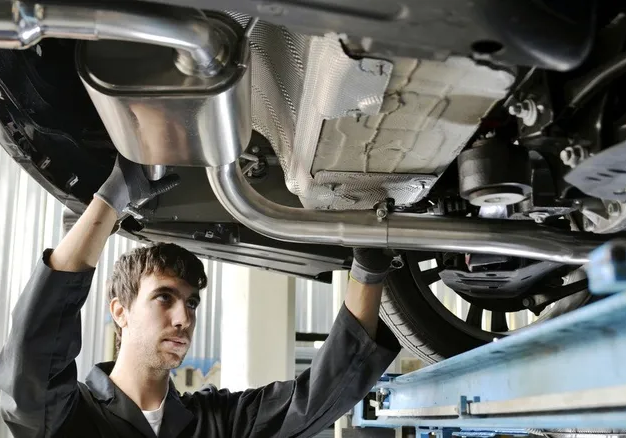
Most workshops place the vehicle on a hoist so technicians can inspect the full length of the exhaust underneath the car. They check for rust, cracks, broken brackets, damaged mufflers, leaking joints, and blocked catalytic converters.
Pressure testing is also common during an inspection. Mechanics may use smoke testing or pressure checks to identify hidden leaks that are not immediately visible.
An experienced exhaust specialist will then explain:
- What is causing the problem
- Whether the issue can be repaired
- If replacement parts are needed
- Estimated labour and repair costs
This stage is important because not every exhaust issue requires a full replacement. In many cases, smaller repairs can restore the system properly.
Types of Exhaust Repairs You Can Expect
The repair itself depends on the condition of the exhaust system.
Minor Exhaust Repairs
Small cracks, holes, or loose connections can often be repaired using:
- Welding
- Exhaust sealants
- Replacement clamps
- Pipe patching
Minor repairs are usually completed fairly quickly and help extend the life of the existing system.
Muffler and Pipe Replacement
If the muffler has rusted through or the pipes are badly damaged, replacement becomes the better option. Damaged pipe sections are removed and replaced to restore safe exhaust flow.
Some vehicles may also require fabricated custom exhaust pipes when standard replacement parts are unavailable.
Catalytic Converter Repairs
Blocked or damaged catalytic converters can reduce engine performance and increase fuel consumption. In some cases, the converter may need replacing completely.
Exhaust Manifold Repairs
Exhaust manifold damage is more serious and often takes longer to repair because of the component’s location near the engine.
For more advanced setups, some workshops also recommend Custom Exhaust Systems to improve performance and airflow.
When Drivers Choose Custom Exhaust Systems?
Not every customer visiting an exhaust workshop is simply looking for a repair. Some drivers use the opportunity to upgrade their vehicle with custom exhaust systems.
This is especially common for:
- Performance vehicles
- 4WDs
- Modified cars
- Older vehicles with discontinued parts
Unlike factory exhausts, custom systems are built to suit the specific vehicle and driving goals.
Benefits of Custom Exhaust Systems may include:
- Improved airflow
- Better engine performance
- A deeper exhaust note
- Stronger durability
- Better visual appearance
Many workshops also fabricate custom exhaust pipes for vehicles requiring specialised fitment or performance tuning.
However, a properly designed system matters. Pipe sizing, material selection, and noise compliance all need to be considered carefully to ensure the vehicle remains practical for daily driving.
How Long Does Exhaust Repair Take?
The repair time depends on the severity of the problem.
Minor repairs such as welding or clamp replacements may only take one to three hours.
More complex jobs, including manifold repairs or full system replacements, can take most of the day. Vehicles requiring fabricated custom exhaust pipes or fully customised systems may need additional workshop time.
Factors that affect repair time include:
- Vehicle type
- Rust severity
- Parts availability
- Fabrication requirements
- Accessibility of damaged components
Final Thoughts
Exhaust issues rarely fix themselves. What starts as a small rattle or leak can eventually lead to expensive repairs, reduced performance, and safety concerns if ignored for too long.
Booking an Exhaust Repair in Adelaide early gives technicians the chance to identify problems before major components fail. Whether your vehicle needs a simple repair, replacement parts, or upgraded Custom Exhaust Systems, choosing experienced exhaust specialists makes a noticeable difference in the quality of the result.
If your car has become louder, started rattling, or smells strongly of exhaust fumes, it may be time to book a professional inspection with Adelaide Exhaust Centre and have the issue checked before it becomes more serious.
FAQs
How do I know if I need exhaust repair?
Common signs include loud exhaust noise, rattling underneath the car, reduced fuel efficiency, vibrations, or exhaust fumes entering the cabin.
Can I drive with an exhaust leak?
Driving with an exhaust leak is not recommended. Exhaust fumes can become dangerous, and the issue may also affect fuel economy and engine performance.
How long does an Exhaust Repair in Adelaide usually take?
Minor repairs often take one to three hours, while major repairs or full replacements may take longer depending on the vehicle and damage.
What causes exhaust systems to fail?
Rust, corrosion, road damage, heat exposure, and general wear are the most common causes of exhaust failure over time.