
Maintenance Tips to Keep Your Welding Exhaust System Running Smoothly
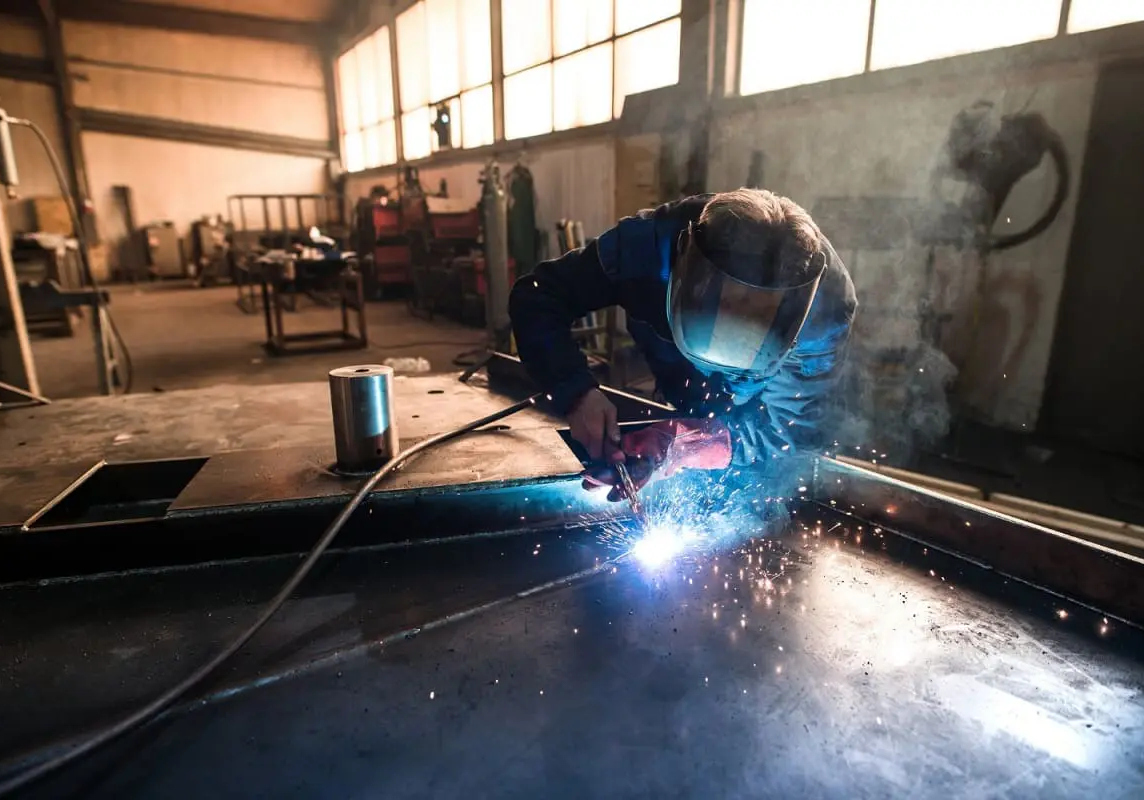
A welding exhaust system is not optional equipment. It is the difference between safe air quality and a workspace filled with harmful fumes. When airflow drops, most operators do not notice immediately. The system still runs but less effectively.
The catch? Small performance losses build up quietly until extraction efficiently falls below safe levels. That affects compliance, worker health and equipment lifespan.
Most workshops only act when suction weakens or alarms appear. By then, the issue is rarely simple. This guide breaks down maintenance steps, warning signs and repair decisions to keep your system reliable.
Why Welding Exhaust System Maintenance is Important
Airflow Loss is a Safety Risk
When airflow is restricted, welding fumes are not captured effectively at the source. This increases exposure levels in the breathing zone and can push the workspace towards non-compliance under Australian safety standards.
Most Failures Start Small and Stay Unnoticed
The main thing is that welding exhaust systems don’t fail suddenly. They decline gradually through filter blockage, duct buildup or pressure imbalance that is ignored during daily operation.
Cost Escalates Faster Than Most Workshops Expect
Minor restrictions force motors and fans to work harder. Over time, this leads to overheating, reduced efficiency and eventual component failure. What starts as a simple filter issue can turn into full system downtime.
Daily and Weekly Checks That Prevent Downtime
Airflow and Suction Checks
A quick suction test at the extraction point should be part of daily operation. If fumes linger longer or extraction feels weaker, airflow has already dropped.
Pressure Monitoring
Weekly pressure checks help identify early restrictions. Rising pressure usually signals filter clogging or duct blockage, even if the system still appears functional.
Hose, Duct and Connection Inspection
Look for cracks, loose joints or dust leaks. Even small gaps reduce extraction efficiency and allow contaminated air to escape.
Motor and Fan Condition Monitoring
Unusual vibration, noise changes or overheating indicate strain. These are often early signs of imbalance or dust buildup affecting performance.
Cleaning, Filters and Dust Control
Filter Replacement Based on Real Usage
Filters should not be replaced on fixed timelines alone. High-use welding environments saturate filters faster, which reduces airflow long before scheduled replacement.
Internal Duct Buildup Reduces Efficiency
Dust accumulation inside ducting restricts airflow gradually. This is harder to detect than filter clogging but has a similar impact on performance.
Common Warning Signs of System Failure
Reduced Extraction Performance
This is usually the first sign operators ignore. The system still runs, but welding exhaust pipe fume capture becomes inconsistent. Over time, this reduced suction spreads across the entire workspace, making fumes linger longer than they should.
Visible Leaks or Fume Escape
The catch? If you can see smoke or smell fumes outside the expected welding exhaust pipe capture zone, the system is already underperforming. This often points to duct leaks, worn seals or blocked extraction arms that are no longer maintaining pressure.
Mechanical Stress Symptoms
Overheating motors, unusual vibration or irregular fan noise usually indicate the system is working harder than it should. Here’s the thing, these symptoms rarely appear suddenly. They build gradually due to clogged filters or restricted airflow pathways.
Why These Signs Matter Early
Most failures don’t happen overnight. They escalate from small airflow inefficiencies into full system breakdowns. Acting early usually means a simple cleaning or part replacement instead of a costly shutdown.
When Welding Exhaust System Repairs are Not Enough
Frequent Breakdowns Indicate System Fatigue
Repeated failures are usually a sign of overall system wear rather than isolated faults. At this stage, repairs become less effective.
Repair Costs vs Replacement Threshold
If repair costs at an exhaust shop approach 40–50% of a new system, replacement becomes the more cost-effective decision in most workshop environments.
Older Systems may Lack Compliance Efficiency
Even if operational, older systems may not meet current safety expectations or airflow efficiency standards required in modern workshops.
Concluding Words
A welding exhaust system only performs reliably when maintained consistently. Airflow checks, filter care and early fault detection prevent most major failures.
When performance drops become frequent, continued repairs often stop being practical. In those cases, upgrading the system is usually the safer and more cost-effective decision.
For servicing, inspections or system upgrades, Adelaide Exhaust Centre can help ensure your welding exhaust system stays compliant and efficient. Reach out today.
FAQs
How often should a welding exhaust system be serviced?
It depends on usage, but most workshops benefit from weekly checks and scheduled professional servicing.
What is the most common cause of failure?
Blocked filters and ignored airflow restrictions are the leading causes of performance loss.
Can maintenance improve system lifespan?
Yes. Regular cleaning reduces motor strain and prevents duct blockage, significantly extending operational life.
When should a welding exhaust system be replaced instead of repaired?
When airflow remains weak after servicing or when repair costs become frequent and recurring. At that stage, replacement is more cost-effective and reliable.