
Know When Your Exhaust System Needs Attention
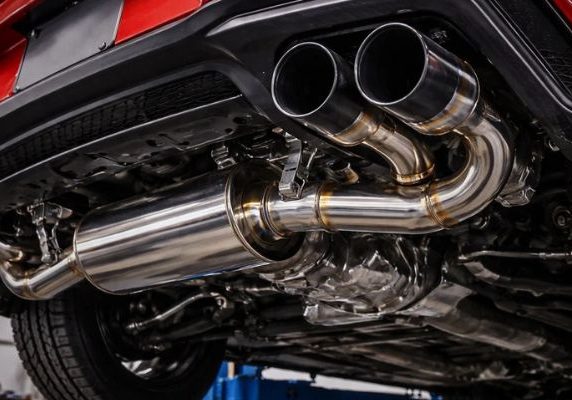
Your vehicle's exhaust system does much more than direct gases away from the engine. It plays a role in emissions control, engine performance, noise reduction and the overall driving experience. Unusual sounds, strong smells or changes in vehicle performance can indicate that something needs attention. For drivers searching for an Exhaust Shop, understanding the warning signs can make it easier to decide when professional inspection is appropriate.
A qualified automotive workshop can assess the system and identify whether a minor issue or more substantial repair is required.
Table of Contents
1. Understanding Common Exhaust Problems
3. Why Diagnosis Matters Before Replacement
4. Choosing the Right Workshop
5. Keeping the System in Good Condition
6. FAQs
7. Conclusion
Understanding Common Exhaust Problems
Exhaust components operate under demanding conditions. They are exposed to heat, moisture, road debris and corrosion, all of which can contribute to wear over time. Depending on the vehicle and the nature of the fault, problems may involve pipes, mufflers, catalytic converters, brackets, gaskets or other components.
Some common warning signs include:
- Rattling or buzzing sounds underneath the vehicle
- A noticeably louder exhaust note
- Unusual fumes around the cabin or vehicle
- Reduced engine performance
- Visible rust, cracks or damaged components
- Increased fuel consumption
Not every unusual sound means the exhaust itself has failed. Engine, suspension or heat-shield problems can sometimes produce similar noises. Professional diagnosis is therefore useful before replacing components unnecessarily.
When to Arrange a Repair
Searching for Exhaust Repair Near Me often happens when a driver notices a sudden change in sound or performance. While some problems develop gradually, others can become apparent after hitting road debris or driving over a rough surface.
An inspection is particularly sensible when there is:
- A persistent exhaust leak or unusually loud noise
- A damaged or hanging component
- A strong smell of exhaust inside or around the cabin
- A warning light accompanied by changes in vehicle behaviour
- Evidence of physical corrosion or impact damage
Exhaust gases can contain harmful substances, so suspected leaks should not be ignored, particularly when fumes may enter the passenger compartment.
Why Diagnosis Matters Before Replacement
Replacing a visible component without identifying the underlying problem can result in unnecessary expense. For example, a loose mounting point may create noise that appears to come from a damaged muffler, while corrosion elsewhere may be responsible for an apparent leak.
A proper assessment should consider the condition of connected components rather than focusing exclusively on the most obvious symptom.
| Component | Potential concern | What inspection can establish |
| Muffler | Corrosion or internal damage | Whether repair or replacement is appropriate |
| Exhaust pipe | Cracks, holes or rust | Location and extent of damage |
| Mounts and brackets | Looseness or breakage | Whether movement is causing noise |
| Catalytic converter | Damage or blockage | Whether further diagnostic testing is needed |
| Gaskets | Leakage | Whether sealing surfaces require attention |
This approach helps distinguish between a straightforward repair and a problem that requires broader investigation.
Choosing the Right Workshop
When looking for an Exhaust Shop Near Me, convenience is useful, but it should not be the only consideration. The workshop's diagnostic process, experience with the vehicle and ability to explain the required work are also important.
Before approving repairs, ask for a clear explanation of:
- What has caused the problem
- Which components require attention
- Whether the issue is urgent
- Whether repair or replacement is recommended
- What work is included in the quoted price
It is also worth checking whether the proposed replacement parts are appropriate for the vehicle. Components should be compatible with its specifications and intended use. A clear conversation before work begins can prevent misunderstandings about the repair.
Keeping the System in Good Condition
Regular vehicle servicing can help identify developing exhaust issues before they become more disruptive. Drivers can also pay attention to changes in sound, smells and performance between scheduled inspections.
Avoiding prolonged exposure to standing water, addressing underbody damage promptly and having unusual noises investigated can all support better maintenance. However, drivers should avoid attempting repairs underneath a vehicle without suitable equipment and knowledge. Exhaust components can remain extremely hot after the engine has been switched off.
FAQs
How long does an exhaust system usually last?
Its lifespan varies according to vehicle use, climate, road conditions, component quality and corrosion exposure. There is no single replacement interval that applies to every vehicle.
Can a damaged exhaust affect fuel economy?
Some exhaust faults can be associated with changes in engine performance or fuel consumption. The cause should be diagnosed rather than assuming the exhaust is responsible.
Is an exhaust rattle serious?
A rattle may come from a loose shield, bracket or damaged internal component. Although it may not always indicate a major fault, persistent rattling deserves inspection.
Can an exhaust leak be repaired?
Depending on its location, size and the condition of surrounding components, a leak may sometimes be repaired. In other situations, replacing the affected section may be more appropriate.
Why does my car smell strongly after starting?
An unusual smell may indicate an exhaust or emissions-related issue, particularly if fumes are entering areas where they should not. Professional inspection is advisable.
Conclusion
An exhaust system deserves attention whenever unusual sounds, smells, visible damage or changes in vehicle performance appear. Early diagnosis can help identify the actual source of a problem and determine whether repair or replacement is appropriate. When considering Custom Exhaust Systems, drivers should also focus on compatibility, intended use and professional installation rather than selecting components based solely on appearance or sound. A careful inspection and informed repair decision can help keep the vehicle safe, compliant and comfortable to drive.