
Performance & Style: Cat-Back Exhaust Systems Explained
If you’re a car enthusiast—or just someone who loves a better drive—you’ve probably heard of a Catback Exhaust. But what exactly is it? And is it really worth the upgrade? Whether you're chasing more power, a throatier sound, or just want your car to look the part, this guide is for you.
Let’s break it down in simple terms and answer the big questions: What does a Cat-Back Exhaust do? How does it affect performance, sound, and style? And most importantly, should you get one?
What Is a Cat-Back Exhaust System?
While the name might seem a bit complex, it’s easy to understand. A Catback Exhaust covers everything from just behind the catalytic converter to the tip of the exhaust, which is where it gets its name—cat-back.
It typically includes the mid-pipe, resonator, muffler, and exhaust tips. Unlike a full exhaust system, it doesn’t mess with emissions components, which means it’s usually legal for road use in most places—including here in Australia. Think of it as the “personality” section of your exhaust. It doesn’t just expel gases—it adds attitude.
The Performance Boost: More Than Just Noise
Let’s start with what everyone wants to know—does it make your car faster? The short answer is yes, but don’t expect a massive leap. A good Catback Exhaust improves airflow, which means your engine can breathe easier.
With less back pressure, your car can push out exhaust gases more efficiently. That might translate to a small bump in horsepower—think around 5 to 15 extra ponies, depending on your car and the system.
You’ll probably feel the difference more in throttle response. The car can rev more freely, and it often feels just that little bit quicker and more alive, especially at higher RPMs.
That Sound Though: Turn Heads Without Being a Nuisance
One of the biggest reasons people go for a Catback Exhaust is the sound. Let’s be honest—there’s something deeply satisfying about a car that sounds as good as it looks.
Depending on the system you choose, you can go from a subtle growl to a deep, aggressive roar. Some even come with valves you can control, so you can quiet things down for daily driving and open it up when you're in the mood for fun.
And unlike cheap or dodgy setups, a quality Catback system won’t just be loud—it’ll sound tuned. You get clean, resonant tones that actually complement your car’s engine, rather than a droning headache on long drives.
Style Points: A Little Flair Never Hurts
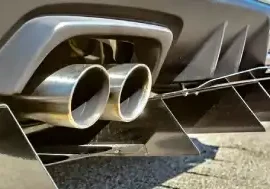
Let’s not pretend looks don’t matter. A Catback Exhaust upgrade often comes with a set of beautiful exhaust tips that give the rear end of your car a sharper, sportier finish.
From polished stainless steel to black ceramic or even burnt titanium, there are heaps of options out there. And yes, you will catch people looking when you park. Even if you're not chasing track days or showing off at Cars and Coffee, it's nice to know your car looks and sounds the part.
Installation: Do You Need a Mechanic?
Here’s the good news—a Catback Exhaust is generally one of the easier mods to install. Most systems are bolt-on, meaning you don’t need to weld anything or tune the ECU (though a tune can help maximise gains).
If you have a few tools and a basic understanding of car maintenance, you can install it yourself at home—just grab some jack stands and a helping hand. But if you're unsure or want to play it safe, a qualified mechanic can usually get the job done within a few hours.
Pro tip: always double-check fitment before buying. Make sure the system is designed for your specific car model and year.
Is It Legal in Australia?
Good question—and one you definitely want to get right. Since a Catback Exhaust doesn’t touch the catalytic converter or emissions gear, it’s generally legal across Australia. But there’s a catch: noise limits.
Every Australian state has different rules when it comes to how loud your exhaust can be. If it exceeds those limits, you might end up with a fine or a defect notice. To avoid that hassle, it’s wise to choose a quality system that follows ADR (Australian Design Rules). Many of these even come with compliance plates, making things smoother during inspections.
Cost: What’s the Damage to Your Wallet?
Prices for a Catback Exhaust can vary heaps. At the budget end, you might find systems around $600–$800. For premium stainless steel setups with performance tuning, you could be looking at $1,500–$3,000 or more.
Is it worth it? If you care about your car’s performance, sound, and look, most drivers say yes. It’s one of those mods that genuinely improves your experience every time you drive.
Should You Get a Cat-Back Exhaust?
Still on the fence? Here’s a quick way to decide.
Go for it if:
- You want better sound without breaking noise laws
- You’re after a modest performance gain
- You love the look of polished tailpipes
- You want a mod that’s simple to install and mostly legal
Maybe hold off if:
- You’re expecting huge horsepower gains (you’ll need headers and a tune for that)
- You want a super stealthy car (some systems are louder than you think)
- You're on a tight budget
That said, many Aussie drivers find it’s a great first mod. It’s practical, adds fun, and doesn’t mess with your warranty in most cases.
Final Thoughts
A Catback Exhaust isn’t just about performance—it’s about the feeling you get every time you drive. From a livelier throttle to a head-turning note and sleek rear-end style, it’s a small upgrade that makes a big impact.
If you’re looking to enhance your vehicle’s performance and sound, our premium Catback systems are the perfect fit. Designed for a seamless match with your car, they offer the ideal mix of power, tone, and style. Browse our range today and take the first step towards transforming your driving experience.