
Mastering DIY Exhaust Fabrication Without the Headaches
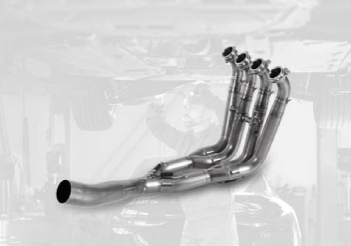
Tackling your own exhaust system might sound a bit full-on, but it doesn’t have to be a stressful mess. If you enjoy working on your car and want to control how it performs, then DIY exhaust fabrication is a great project to take on.
The trick is knowing what to do and when—because going in blind often leads to frustration. Here’s how to master the job without turning it into a weekend-long headache.
Start with a Clear Plan
Before you start pulling things apart, take a few minutes to figure out what you’re actually aiming to do. Are you just replacing a rusted-out stock exhaust? Chasing a bit more performance? Or working on a full custom setup for a project car? Knowing your goal upfront makes every step easier.
Once you’ve nailed that down, get under the car and take a good look. See how much space you’ve got to play with. Pay attention to the fuel tank, suspension, and chassis—they’ll all influence how and where you can run the new system.
Here’s a handy tip: grab your phone or a notepad and sketch out a rough layout or snap a few photos. You’ll thank yourself later when things start getting fiddly. It’s a small step that saves a lot of headaches down the track.
Get Your Tools and Materials Sorted
Now that you know what you're working with, it’s time to round up the right gear. You don’t need a full workshop, but a few basics will make the job much smoother:
- Welder: MIG is a solid choice — it’s easier to pick up and works well with mild steel. TIG welds look cleaner and neater but takes a bit more practice to get right.
- Angle grinder: You’ll need this for cutting and cleaning up pipes.
- Jack stands or a hoist: Please don’t crawl under your car with just a jack—safety always comes first.
- Exhaust tubing and bends: Stainless steel lasts longer, but mild steel is easier to work with and more affordable.
- Clamps, flanges, and hangers: These keep everything secure and in place.
Focus on Fitment Before You Weld
One of the biggest slip-ups beginners make is jumping into welding too soon. It’s easy to want to stick everything together straight away, but honestly, it’s worth taking the time to fit everything loosely first and make sure it all lines up properly.
Use tape, clamps, or tack welds to hold things together temporarily. Check that everything lines up properly. Make sure there’s enough clearance from the floor, suspension, and moving parts.
This step is all about trial and error. Don’t rush it– a few extra hours here can save you days fixing issues later on.
Choose the Right Pipe Size and Layout
Now, let’s talk about performance. Your exhaust system plays a big role in how your engine breathes—not just how it sounds. Picking the right pipe diameter matters.
If the pipes are too narrow, you’ll restrict flow. If they’re too wide, you might lose low-end torque. As a general guide:
- Small four-cylinder engines do well with 2” to 2.25” pipes
- Larger engines or turbo setups may need 2.5” to 3”
Try to keep bends smooth, not sharp. The cleaner the flow, the better the performance. It’s all about balance.
Time to Weld
Once you’ve got everything lined up and happy with how it fits, pull the system apart, give the joints good clean, and get ready to weld. If you’re still getting the hang of welding, take it slow. Start with a few tack welds to hold things in place, then go back and finish the welds bit by bit. No need to rush—going too fast can lead to messy joins and leaks you’ll have to fix later.
And if welding is not your thing just yet, don’t stress. You can build a bolt-together system using clamps and flanges. It won’t look as clean, but it still works and makes it easier to adjust later.
Do Final Checks Before You Fire It Up
Before you fire it up, take a final look over everything—just a quick once-over to make sure all’s in place and nothing’s been missed.
- Are the hangers solid?
- Is there good clearance around everything?
- Any obvious gaps or misaligned joins?
When you’re confident, start her up and have a listen. Check for leaks, rattles, or knocking. Take it easy on the first drive and pay attention to any odd sounds or smells.
Wrapping It Up
Taking on your own exhaust fabrication can actually be pretty rewarding when you take it step-by-step and don’t rush things. You’ll get better performance and a real sense of satisfaction.
But if you’d rather skip the stress or want a professional finish that lasts, we’re here to help. For reliable Exhaust Repair in Adelaide or custom Exhaust Fabrication, just reach out. We’ll make sure your exhaust runs smoothly and sounds just how you want it—no headaches included.