
Understanding Performance, Fitment, and Maintenance of Pacemaker Exhaust System
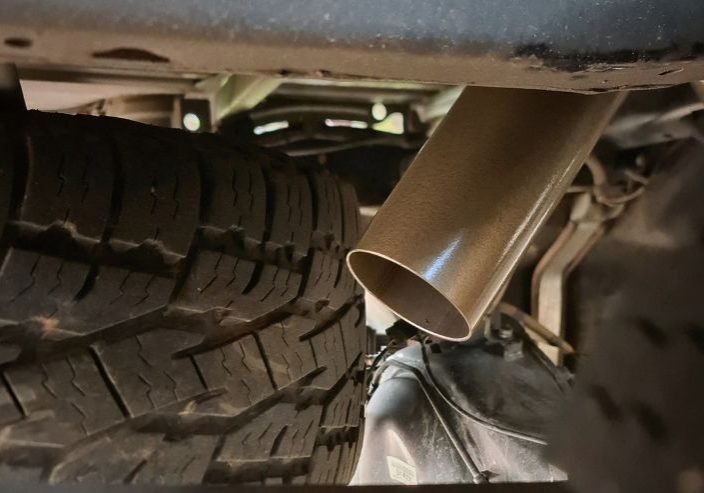
A vehicle's exhaust system has an important role in directing engine gases, managing noise, supporting emissions control, and contributing to overall driving performance. When owners consider upgrading or replacing an existing system, the choice should be based on vehicle compatibility, intended use, installation requirements, and long-term maintenance. A Pacemaker Exhaust System in Findon may be considered by drivers looking for a system designed around specific vehicle requirements, but understanding the broader factors involved is essential before making any exhaust-related decision.
Table of Contents
1. Pacemaker Exhaust System in Findon and Vehicle Compatibility
2. What to Consider When Searching for an Exhaust Shop Near Me
3. Recognising Signs of Exhaust Wear
Pacemaker Exhaust System in Findon and Vehicle Compatibility
Selecting an exhaust system involves more than choosing a brand or style. The system must be compatible with the vehicle's engine, chassis, existing components, and intended driving conditions. A suitable design can help ensure that components fit correctly and function as part of the wider exhaust system.
Before installation, it can be useful to consider:
- Vehicle make, model, and engine configuration
- The condition of existing exhaust components
- Available space beneath the vehicle
- Intended driving conditions
- Required noise characteristics
- Emissions and regulatory considerations
The condition of related components is also important. If mounting points, connections, or other sections are worn, installing a new component without addressing those issues may affect the overall result. A complete assessment can therefore help identify what the vehicle requires before work begins.
What to Consider When Searching for an Exhaust Shop Near Me
When drivers search for an Exhaust Shop Near Me, they may be trying to address a wide range of needs, from unusual noises and leaks to replacement components or performance-related changes. The first step should be understanding the actual condition of the vehicle's exhaust system.
A professional assessment may examine the following:
| Inspection Area | What It Can Reveal |
| Pipes and joints | Leaks, corrosion, or physical damage |
| Mounting points | Loose, worn, or damaged supports |
| Silencers | Internal deterioration or excessive noise |
| Catalytic components | Possible emissions-related concerns |
| Overall fitment | Alignment and compatibility issues |
This type of evaluation can help distinguish between a minor repair and a more extensive replacement requirement. It also supports better decision-making by focusing on the vehicle's condition rather than relying solely on visible symptoms
Recognising Signs of Exhaust Wear
Exhaust components operate in a demanding environment. They are exposed to high temperatures, moisture, road debris, vibration, and repeated heating and cooling cycles. Over time, these conditions can contribute to corrosion, cracks, loose connections, and other forms of deterioration.
Drivers may notice:
- A louder or deeper exhaust sound
- Rattling beneath the vehicle
- A noticeable exhaust smell
- Visible rust or holes
- Changes in vehicle performance
- Increased vibration while driving
These symptoms can have different causes, so they should not automatically be attributed to one component. A proper inspection can help identify whether the issue relates to a pipe, connection, mounting point, silencer, or another part of the vehicle's exhaust system.
Early attention may also help prevent a smaller issue from affecting other components. However, the most appropriate response depends on the severity and location of the problem.
Frequently Asked Questions
What does an exhaust system do?
It directs gases away from the engine, helps manage exhaust noise, and works with other vehicle systems involved in emissions control and engine operation.
What can cause an exhaust system to become noisy?
Loose components, corrosion, cracks, damaged silencers, and failing connections can all contribute to unusual or increased exhaust noise.
Is visible rust on an exhaust system a concern?
Surface rust may not always indicate immediate failure, but significant corrosion can weaken components and eventually lead to holes or leaks.
Should the entire exhaust system be replaced if one part is damaged?
Not necessarily. The correct approach depends on the location and extent of the damage, along with the condition of the surrounding components.
Can an exhaust system be selected for a particular vehicle?
Yes. Vehicle specifications, engine configuration, available space, intended use, and compatibility should all be considered when selecting a suitable system.
Conclusion
Understanding the condition and requirements of a vehicle's exhaust system can help owners make more informed decisions about repairs, replacements, and potential upgrades. Proper assessment, suitable component selection, and attention to fitment all contribute to a more organised approach to exhaust work. For drivers considering Exhaust Repair in Findon, adelaideexhaustcentre can provide a starting point for evaluating vehicle requirements and determining the appropriate next steps for exhaust-related work.