
How to Choose the Right Tone for Your New Cat-back Exhaust
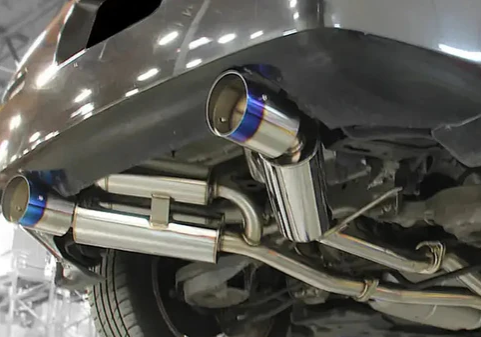
Every catback exhaust sounds different on paper and even more different on your actual car. What sounds aggressive on a V8 can sound raspy and think on a four cylinder. What sounds deep and refined in a video can drone endlessly on the highway.
If you want to choose the right tone then it all comes down to understanding what you actually want, what your car can deliver and what you will have to live with every single day. This blog helps you figure that out before you spend the money.
What Exhaust Tone Actually Means
Exhaust tone is the character of your car’s sound. It’s not just about loudness.
It comes down to pitch, volume and character working together. A catback exhaust changes all of this after the catalytic converter. It doesn’t touch the engine. It simply reshapes how exhaust gases flow and how sound exits the system.
Pitch vs Volume vs Character
Pitch is how deep or high the sound feels. Volume is how loud it is inside and outside the car. Character is the personality of the sound. Such as smooth, raspy or aggressive.
That combination is what you actually hear every time you drive, not just “loud” or “quiet.”
How Engine Type Shapes Your Exhaust Sound
Your engine sets the foundation. The car exhaust in Adelaide builds on top of it. A 4-cylinder engine naturally produces a sharper tone. If the system is not designed well, it can sound raspy under load.
A 6-cylinder engine gives a smoother and more balanced sound. It usually works well with most catback setups. A V8 engine already produces a deep and strong tone. The exhaust simply enhances what is already there.
4-Cylinder vs 6-Cylinder vs V8
- 4-cylinder engines sound sharper and can become raspy
- 6-cylinder engines stay smoother and more balanced
- V8 engines deliver deep and natural aggression
Turbo vs Naturally Aspirated
Turbocharged engines naturally reduce sound because the turbo restricts airflow. Exhaust changes can feel subtle unless the system is well designed.
Naturally aspirated engines produce a more direct sound. They respond clearly when you change the car exhaust in Adelaide setup.
Daily Driving vs Weekend Thrills: Choose Based on Use
This is where most people get it wrong. If you drive daily, especially on highways then comfort is important. The biggest issue you want to avoid is drones. That is the low humming sound that sits inside the cabin at steady speeds.
For daily driving, you want:
- Controlled volume
- Smooth highway behaviour
- Resonated systems
If the car is for weekends or performance driving, you can go louder. You will get more aggression and presence, but also more cabin noise. That is the trade-off. You choose comfort or character.
The Truth About Exhaust Drone
Drone is a low-frequency hum inside the cabin at certain speeds. It happens when catback exhaust sound matches engine RPM and gets trapped inside the car instead of flowing out.
It is not about loudness. A loud exhaust can still be comfortable. A poorly tuned one cannot.
Common causes include:
- Poor muffler design
- Missing or weak resonators
- Straight-through systems with no tuning
Good systems reduce drone using:
- Proper resonators
- Balanced muffler design
- Controlled catback exhaust flow
Materials and Build Quality Affect Sound More Than You Think
Material affects both durability and sound quality. 304 stainless steel is commonly used in quality systems. It keeps tone stable and resists harsh changes over time and then you’ll need exhaust Repair in Findon. Lower-grade steel can still function, but it may sound harsher as it ages.
Why Material Changes Tone
Thicker steel produces a deeper and more controlled tone. Thinner steel can sound sharper and slightly metallic under load.
You may not notice it on day one. You will notice it after months of driving.
Muffler and Resonator Design: The Real Sound Engineers
This is where sound is actually shaped.
Chambered vs Straight-Through Mufflers
Chambered mufflers reduce sound by redirecting airflow. They give a quieter and more controlled tone.
Straight-through mufflers allow freer airflow. They create a louder and more aggressive sound with better performance flow.
Resonators: Keep or Delete?
Resonators smooth out harsh sound frequencies.
Keeping them gives:
- Cleaner tone
- Less rasp
- Better comfort
Removing them gives:
- More volume
- More aggression
- Higher risk of drone or harshness
Sound Clips vs Real Life: Don’t Get Fooled
Online sound clips do not always show the real experience.
The same catback exhaust can sound different because of:
- Microphone quality
- Recording environment
- Additional modifications
To get a better idea, look for:
- Cold start sound
- Idle sound
- Highway cruising sound
If possible, hear the setup in person. That is always more reliable.
Matching Exhaust Tone to Your Car’s Personality
Your exhaust should match your car, not fight it. A luxury sedan suits a refined tone that stays quiet and smooth. A sports coupe can carry a deeper and more aggressive sound.
A daily hatchback needs balance so it stays enjoyable every day. If it feels forced, it usually is.
Budget vs Value: Where to Spend Smart
Cheap systems often skip proper tuning. That is where drone and harsh tones come from. Mid-range systems usually offer the best balance:
- Better sound design
- Better materials
- Better fitment
You are not just paying for sound. You are paying for how the system behaves every day.
Conclusion
Choosing a catback exhaust is not about chasing loudness. It is about how your car feels every time you drive it.
Get it wrong and you will notice it every day. Get it right and it becomes part of the experience instead of a distraction.
If you want help choosing the right setup, talk to Adelaide Exhaust Centre. They will match the system to your car and how you actually drive it. Contact us today.
FAQs
Will a catback exhaust make my car too loud?
Not necessarily. Muffler and resonator design control loudness more than the system itself.
Can I change the tone later?
Only slightly unless you replace key parts like mufflers or resonators.
Is a drone unavoidable?
No. Well-designed systems reduce or remove it.
Do I need a tune with a catback exhaust?
No. A tune is optional, but it can improve overall performance.